 |
| Image from Wikipedia |
I’ve always loved passionfruit. There’s something about getting a cold spoon dug into the centre of a passionfruit, grating it up the side to get all the seeds and savouring the chunky sweetness. So with my garden going well and my understanding that passionfruit vine can be planted all year round I thought I’d give it a go. I’m going to put them in my garden as well “strategic” places around the neighborhood. 🙂
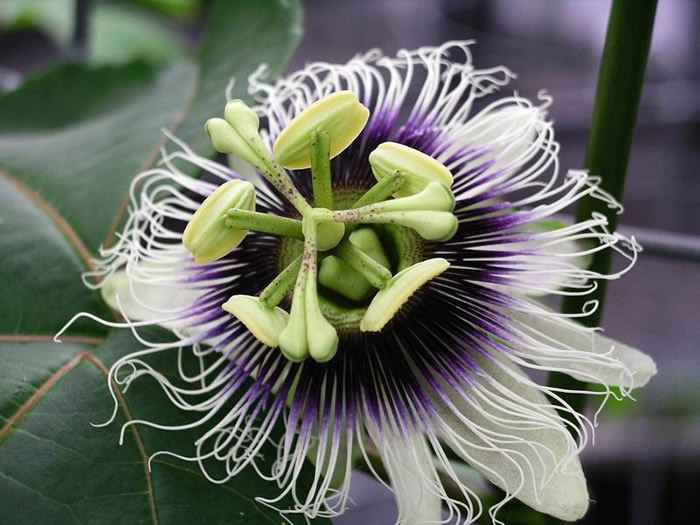
The passionfruit is the fruit from the passiflora vine. There are over 500 types of passiflora and while not all varieties produce edible fruit their spectacular and diverse flowers have been sort after throughout the ages, partly because for most varities the flowers only last a single day!!
In Australia we tend to get the passiflora edulis, P. Edulis, variety, specifically the Black Magic variety. P. Edulis come in two colors, purple originating in Brazil, and yellow, also known as the tropical passionfruit with an unknown origin.
Passiflora vines a very fast growing so need alot of nutrients. In the old days the plants were planted with a liver or ox heart in the soil to provide lots of iron and other nutrients. The vine will climb over anything near by so many gardeners will train it up a trellis or fence. For best results train the vine to the top of the fence / trellis first and allow it expand out. P. Edulis can grow 4.5m – 6m per year and will live for about 5 – 7 years. Give it a major trim every 2 years and overall keep it thin else it may develop bacteria and fungal problems.
In Australia expect a crop between July and November and then again in Feb to April. Though I’ve read in environments it will fruit all year round. This is the kicker for me, a good healthy vine will take 12 to 18 months to fruit! Grrrr, so my seedlings have a while to go.
The fruit is very high in beta-caratone, potassium and dietry fibre. Let the fruit go a bit wrinkly before you eat it as this allows the sugars to condense and provide a stronger flavour. My mother-in-law says you can freeze the passionfruit whole until you want to it use. Let me know if you’ve done this.
The flower has alot of history. In various countries it’s known as Christ’s Thorn (Spain), Christ’s Crown and Christs Boquet (Germany). What’s all this reference to Christ I hear you say? Well, the catholic missionaries saw many religious connections to the flower. An extract from this Wikipedia article helps explain the connection:
- The three stigmas were to reflect the three nails in Jesus‘s hands and feet.
- The threads of the passion flower were believed to be a symbol of the Crown of Thorns.
- The vine’s tendrils were likened to the whips.
- The five anthers represented the five wounds.

Image from Wikipedia
- The ten petals and sepals regarded to resemble the Apostles (excluding Judas and Peter).
A few other uses for the plant:
- It’s suggested that it has antidepressent properties however most of these compounds are in the leaves. This might explain why some cultures smoke the leaves.
- Both the fruit and leaves are said to lower blood pressure.
- In Mexico the fruit is eaten with chilli and lime. I’m very keen to try this combination. Sounds a treat.
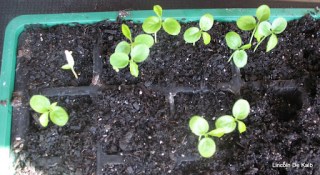
Finally, to harvest the seeds (as I did from a store bought fruit), simply open it up, put the seeds in your mouth and suck the pulp off, wash them off and plant them in a seed raiser.
I apologies for the images from wikipedia. I’ll update them with my own once my plants start growing.


 Geek, Garden and Cook